Alright, let’s talk about our healthcare heroes. You know, the incredible folks in scrubs and stethoscopes who we depend on to solve complex medical puzzles to improve our health, all while juggling patient care, documentation, continuing education, and many other administrative tasks, all while probably running on lukewarm coffee and sheer determination.
Yet, hiding behind the smiles and health plans is an unfortunate reality: many of them are quietly experiencing burnout. Burnout is a deep feeling of emotional, mental, and physical exhaustion caused by excessive stress. An issue that impacts not just individual providers, but the broader health care system and long-term public health outcomes. It often leads to feelings of detachment, greater apathy, and reduced performance.
But what if we told you there’s a surprisingly simple but powerful antidote to help reduce burnout? The answer? E-cards, one of the most effective tools for healthcare worker appreciation, are a growing strategy for addressing healthcare team burnout.
While an ecard will not eliminate all feelings of burnout, it can make a significant impact in helping our healthcare workers feel more appreciated, reinforcing why we should be thanking our healthcare workers consistently, not just during moments of crisis.
Below, we will unpack burnout in healthcare, what we can do about it, and how digital cards can fight against it through appreciation.
Why Burnout is Common in Healthcare
Healthcare is a high-stakes environment with high demands and complicated workloads– where lives literally are in their hands. This direct tie to human suffering and well-being creates an emotionally demanding, high-pressure, and often overwhelming workload. All of these factors combine to create a fertile ground for burnout to take root.
Understanding these root causes of burnout in healthcare is the first step toward finding practical solutions. Here are a few:
Workload
From night, 24-hour, and holiday shifts, healthcare workers take on long hours. But the work doesn’t always end when their shift does. Many workers, particularly providers, use time outside of work hours to catch up on the day’s notes and other administrative tasks.
The unseen workload of administrative tasks is one of the biggest reasons healthcare workers are. As time continues and physician and nursing shortages increase, so does their workload. The increased workload leads to a continual sense of being behind and overwhelmed, making it increasingly difficult for employees to feel supported, valued, or mentally recovered between shifts.
Emotional Toll
Healthcare professionals routinely encounter suffering, trauma, and loss. They witness moments of profound vulnerability and are often privy to intensely personal struggles. Bearing witness to so much human pain can lead to compassion fatigue. In this state, empathy becomes emotionally draining, making it difficult to connect with patients or colleagues on a deeper level.
High-Stakes Decision-Making
Every diagnosis, every treatment plan, and every medication administered carries significant weight. The potential for error, even minor, can have life-altering consequences for patients, as well as the possibility of litigation against the professional. This constant pressure to be perfect, to never make a mistake, creates an environment of intense stress and anxiety.
Administrative Burdens and Bureaucratic Hurdles
Healthcare professionals often spend a significant portion of their time on documentation, evaluating lab work and patient documents, and navigating complex insurance systems rather than direct patient care. The constant struggle with paperwork can feel like an unending battle, taking away time and energy that could be better spent.
Lack of Control and Autonomy
In large healthcare systems, professionals may have little say in decisions that directly impact their work lives or patient care. This lack of agency can lead to feelings of disempowerment and resentment, as their expertise and insights may not always be fully utilized or respected, reducing their intrinsic motivation.
Why It is Important to Fight Burnout in Healthcare
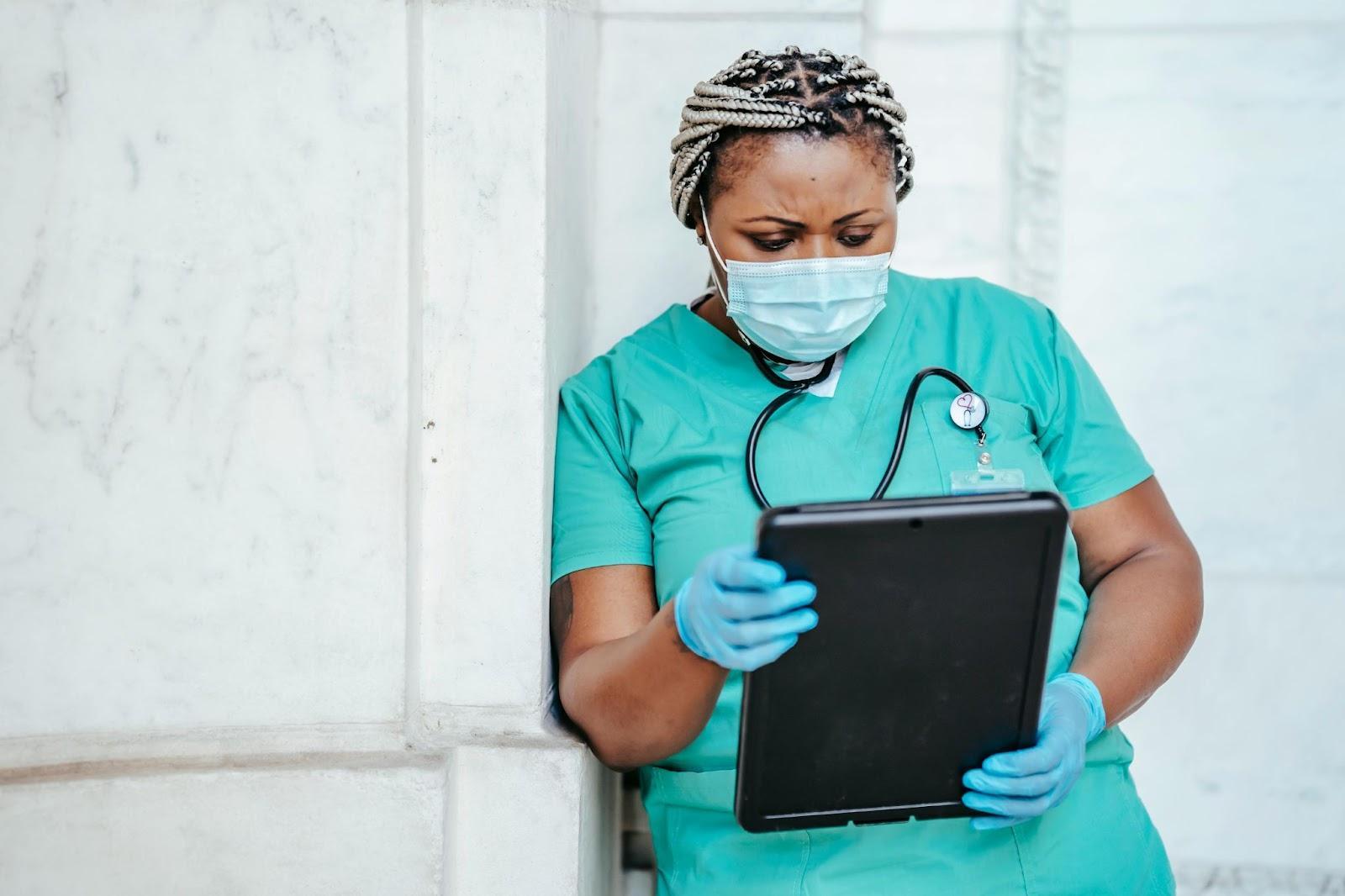
The success of our healthcare workers is directly linked to the health of our communities, reinforcing why we should be thanking our healthcare workers through ongoing recognition and meaningful appreciation efforts.
Improving burnout has far-reaching implications for individual well-being, patient safety, and the sustainability of the entire healthcare system, especially when proactive steps are taken to prevent burnout.
Here are some reasons why we must fight against burnout in healthcare:
Patient Care
Burned-out healthcare workers are more prone to making errors. Fatigue impairs judgment, reduces attention to detail, and slows reaction times. Studies consistently show a correlation between high levels of provider burnout and increased medical errors, hospital-acquired infections, and even patient mortality rates.
When caregivers are mentally and emotionally depleted, their ability to provide compassionate, attentive, and safe care diminishes. This creates ripple effects that extend into overall public health and community trust in medical systems.
Patient Satisfaction
Empathy and compassion are cornerstones of quality healthcare. A burned-out professional, however, may find it difficult to connect with patients on an emotional level. They might appear detached, irritable, or simply too exhausted to engage meaningfully. This can lead to patients feeling unheard and unsatisfied with their treatment.
Reduced patient satisfaction reduces trust, poorer adherence to treatment plans, and overall dissatisfaction with the healthcare system.
Employee Turnover
The healthcare industry already faces chronic staffing shortages, and burnout exacerbates this problem. When professionals become overwhelmed and exhausted, they are more likely to leave their positions, either for less demanding roles within healthcare or to exit the profession entirely.
This high employee turnover creates a vicious cycle: fewer staff members mean increased workloads for those who remain, further fueling burnout. Reduced employee retention leads to lower quality of care and higher recruitment costs.
Employee Wellness
Doctors and other medical professionals are at a severe risk for mental health issues. If burnout is left unaddressed, it can manifest in various ways, including chronic fatigue, sleep disturbances, anxiety, depression, substance abuse, and even suicidal ideation.
Allowing burnout to persist is unsustainable for the long-term health and vitality of our medical workforce.
Teamwork and Workplace Culture
A workplace where individuals are tired, frustrated, and overwhelmed also sees decreased collaboration, increased interpersonal conflict, and a general decline in morale.
Communication breaks down, trust erodes, and the supportive bonds that are essential in high-stress environments weaken. This creates a toxic work environment that further drives individuals towards burnout and reduces overall productivity and effectiveness.
How Appreciation Improves Healthcare Worker Morale
Healthcare workers went into their profession to help people. They sought to achieve positive patient outcomes and improve their daily health. This means that genuine appreciation can revitalize spirits, boosting employee morale and helping employees feel seen, supported, and emotionally connected to their work, directly counteracting the corrosive effects of burnout.
Here’s how appreciation boosts morale in healthcare settings:
- It Validates Hard Work and Dedication: Healthcare professionals regularly go above and beyond, putting in long hours, making personal sacrifices, and facing emotionally taxing situations. When their efforts are recognized and acknowledged, it transforms the perception of demanding work from a burden into a valuable contribution, fostering a sense of pride and accomplishment.
- It Fosters Belonging and Connection: Healthcare is inherently a team effort, and feeling like an integral, valued part of that team is vital for morale. When colleagues and leaders express gratitude, it strengthens interpersonal bonds and reinforces the idea that everyone is working toward a common goal.
- It Rekindles Passion and Purpose: Many healthcare workers enter the field driven by a deep desire to help others. However, the worst parts of the job can chip away at a medical professional’s passion. A timely word of thanks, a recognized achievement, or a public acknowledgment can serve as a powerful reminder of why they chose this path.
- It Boosts Psychological Well-being: Knowing your efforts are seen and valued can significantly reduce feelings of stress and anxiety. It creates a more positive work environment where individuals feel respected and appreciated. This will increase confidence and a greater sense of control over their professional lives, all critical components of mental resilience.
- It Cultivates a Positive Work Environment: When practiced regularly, appreciation fosters reciprocity. Individuals who feel valued are more likely to value their colleagues, leading to a supportive cycle of positive reinforcement. This can reduce interpersonal conflict, improve communication, and encourage collaborative problem-solving.
Read More: 8 Ways to Combat Burnout in Healthcare
How Ecards and Digital Appreciation Can Support Healthcare Team Wellness
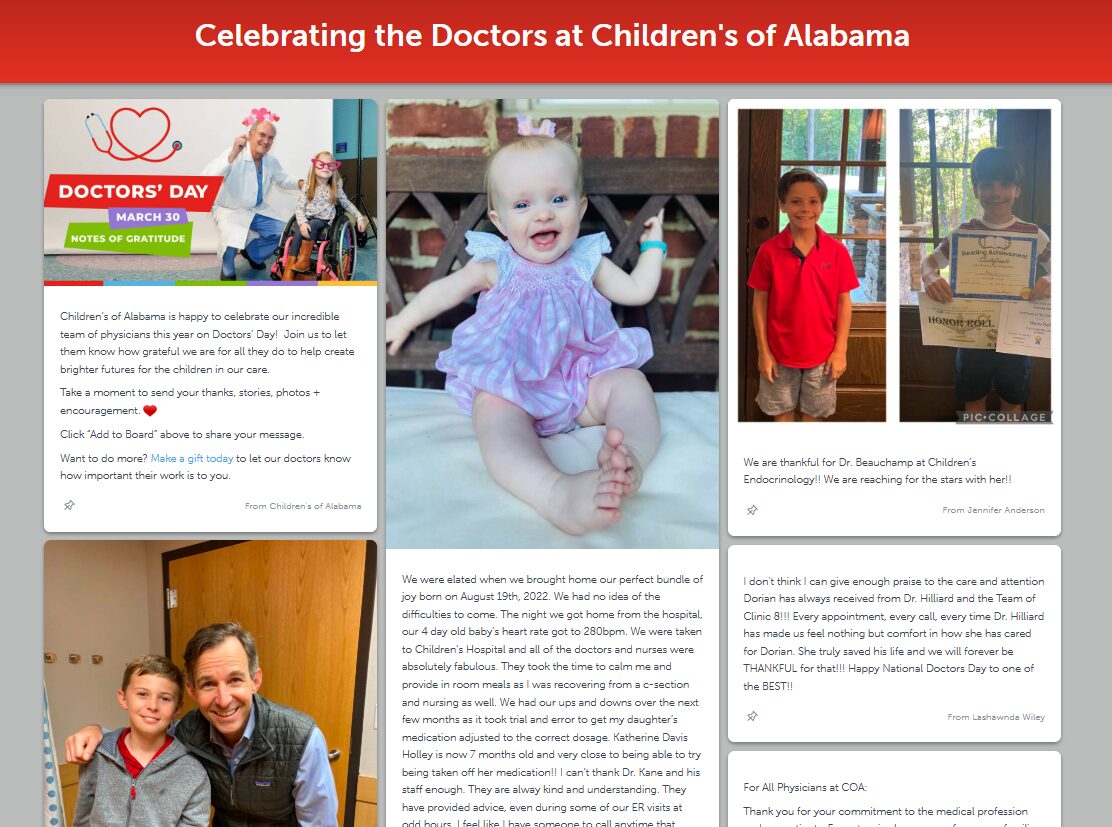
While there are many different ways of incorporating employee appreciation into a healthcare organization, ecards are one of the easiest and quickest to implement.
As hospitals and clinics become increasingly digital, so should appreciation, leveraging modern recognition platforms that integrate seamlessly into daily workflows. Instead of adding to a nurse’s workload with physical comment cards, meet them where they are on their computer.
Ecards or digital greeting cards do just that. They overcome traditional hurdles, making consistent and widespread recognition easy and impactful.
Here’s how digital appreciation tools like an electronic card champion healthcare team wellness and directly address healthcare team burnout with ecards:
- Instant & Accessible Recognition: Ecards can be sent immediately, delivering thanks or congratulations with just a few clicks. This real-time appreciation ensures efforts are noticed promptly, regardless of shifts or location, reinforcing positive behaviors on the spot.
- Broad Reach & Scalability: Unlike physical cards, digital platforms allow for recognition to be easily sent to entire departments, units, or large groups simultaneously. This breaks down geographical barriers in large healthcare systems.
- Personalization: Because it is digital, an ecard can be more personal than a traditional greeting card, as it allows for personalized messages, photos, and even videos. This customization makes appreciation feel authentic and meaningful.
- Lasting Record of Appreciation: Digital ecards serve as a permanent keepsake. Recipients can save and revisit their boards, and certain eCard platforms, including Kudoboard, even allow you to transform the card into a printed poster or book.
- Empowers Peer-to-Peer Support: Digital tools make it simple for colleagues to recognize each other’s efforts. Peer appreciation builds trust, strengthens relationships, and creates a vital, supportive network among team members who uniquely understand the demands of the job. Something modern recognition platforms are uniquely positioned to support at scale.
- Cost-Effective & Sustainable: Compared to expensive traditional recognition programs, an electronic greeting card offers a low-cost, high-impact solution. This affordability allows organizations to maintain consistent recognition efforts without significant budgetary strain, making it a sustainable investment in employee well-being.
- Versatility: Ecards can be used in many ways. From birthday cards and thank you cards, to celebrating a work anniversary or a company celebration, online cards can fit the various needs and initiatives of any healthcare organization.
5 Examples of Ways to Use Ecards in Healthcare
Healthcare organizations can utilize online greeting cards in various settings to promote appreciation and combat burnout. Here are five practical and impactful ways to use online cards in your team’s wellness strategy:
Peer-to-Peer Shout Outs
The daily grind in healthcare requires a team. From a physician depending on their medical assistant or nurse to support them in caring for a patient to a medical team of doctors working together to create a care plan, every part of the healthcare system is a collaborative effort.
To encourage gratitude and colleague support, human resources can provide an e-card for peer-to-peer appreciation in the form of shout-out boards or digital thank-you cards. This will encourage team members to send spontaneous e-cards to their colleagues for specific acts of support.
Sharing Patient and Family Gratitude
Often, patients and their loved ones are incredibly grateful for the care they receive. Still, their heartfelt thanks don’t always directly reach the specific individuals or teams who made a difference.
Digital cards can help combat this by implementing a system where patients scan a QR code or receive a link that directs them to a patient shout-out ecard. What’s great about ecards versus traditional patient surveys is that they’re more personalized and permanent than comments printed out for staff members to see.
Recognizing Employee Milestones and Achievements
As healthcare administrative tasks increase, an important way to fight burnout is to celebrate an employee’s personal and professional milestones. Ecards are a natural way to honor any special occasion.
Some of the occasions you could use a digital greeting card to celebrate include:
- Birthday ecards
- Work Anniversary
- New Baby
- Graduation
- Retirement
- Project Completion
- Passing Exams
- Employee Awards
- Promotions
Celebrating moments like these fosters a culture of growth and supports the notion that the organization values the person as a whole. These moments help employees feel emotionally invested and less susceptible to burnout.
Team Appreciation for Handling Challenging Periods or Projects
Healthcare teams often navigate tough periods, whether it’s a surge in patient volume, a complex medical emergency, or the successful implementation of a new system. In times like these, a department head or manager can send a group ecard to an entire unit to highlight their collective teamwork, resilience, and dedication.
Spreading Holiday Cheer
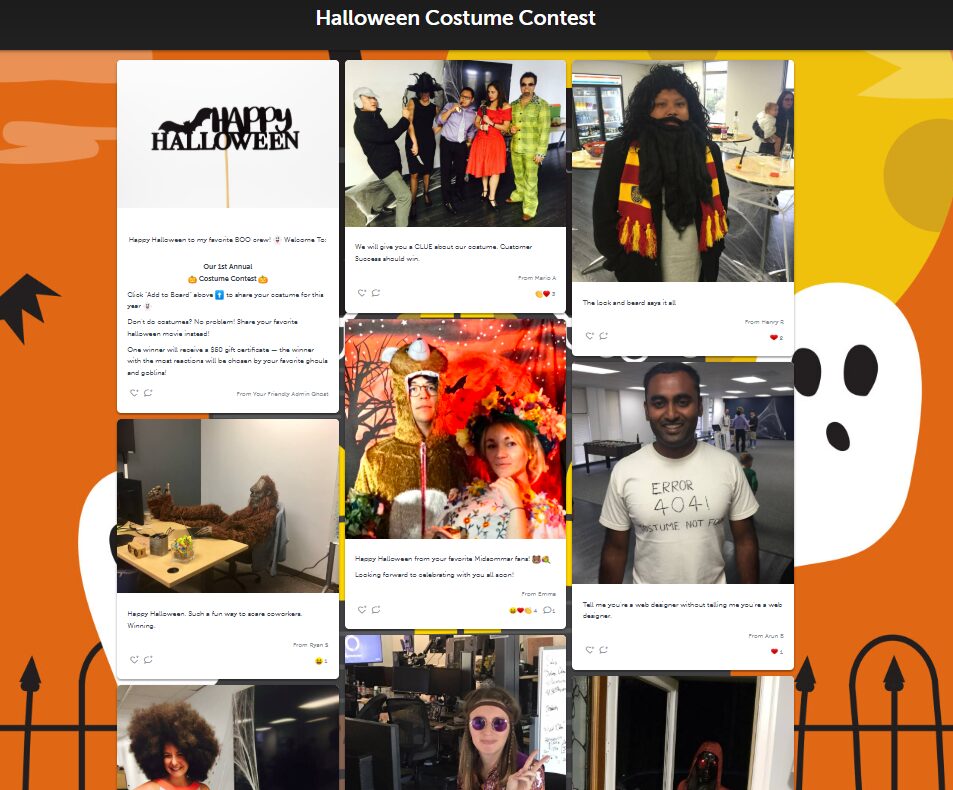
Holidays can be a challenging time for healthcare professionals, as many work long shifts away from their families to ensure patients receive proper care. Using ecards to bring festive cheer and acknowledge this sacrifice can significantly boost morale during these periods.
Create holiday ecards where people can contribute a holiday-themed card. Ideas include:
- Christmas ugly sweater (or scrubs) contest
- Thanksgiving wall of gratitude
- New Year’s resolution boards
- Happy Doctor’s Day messages
- Nurses Day gratitude board
- Employee Appreciation Day Card
- Halloween Costume Photo Contest
- Happy Diwali board
- Group Christmas Card
How to Get Started Using Ecards in Healthcare
Implementing an online card program in a healthcare setting might seem like another to-do, but ecards have proven to be a scalable solution for sustained healthcare worker appreciation. The key is to start small, build momentum, and foster a culture where digital appreciation becomes second nature.
Here are some tips for getting started:
- Define Your Goals and Scope: Before diving into platforms, clearly articulate what you want to achieve. What problem are you trying to solve? What kind of recognition are you aiming for?
- Choose the Right Platform: Look for a platform that meets the needs of your organization. Key considerations include ease of integration with existing digital programs, analytics, customization options, and the ability for multiple users to contribute.
- Champion Leadership Buy-in: Executive and departmental leadership support is paramount. Educate them on the link between appreciation, reduced burnout, improved patient safety, and retention. Then get leaders participating.
- Provide Clear Instructions: Create simple, step-by-step guides on how to send and receive ecards.
- Highlight Successful Examples: Publicly (with permission) share examples of a personal message or stories of impact to demonstrate what kind of wishes are effective.
- Provide Prompts: Sometimes people need ideas. Create “themed” campaigns that give participants a starting point for their recognition.
- Monitor Usage: Track employee engagement by looking at how often a digital card is sent and received.
- Solicit Feedback: Regularly ask staff what they like, what challenges they face, and how the program can be improved. Use surveys, suggestion boxes, or open forums.
- Make Adjustments: Be prepared to refine your approach based on feedback. Adapt and evolve the program to ensure it remains relevant and useful.
- Celebrate Successes: Regularly communicate the positive impact of the program. Share testimonials or share how employee morale is improving within departments.
Create a Healthcare Ecard with Kudoboard
In the crucial fight against healthcare worker burnout, an ecard through Kudoboard stands out as an effective solution for healthcare team burnout, enabling consistent and meaningful recognition.
Kudoboard is an online group card platform and one of today’s leading recognition platforms, allowing multiple contributors to write messages, share media, and collectively express appreciation in one centralized space.
For busy healthcare teams, it provides a centralized and accessible way to express widespread appreciation, overcoming time and location barriers. Kudoboard is easy to use and makes recognition easy and enjoyable by offering a practical, impactful, and sustainable way to boost morale, strengthen team bonds, and foster a workplace culture where appreciation is a daily occurrence.
Final Thoughts
Burnout in healthcare is a rising problem that affects all parts of the health system. To increase patient outcomes and improve community health, we must find solutions to reduce the number of burned-out providers. While more systemic changes need to be made to combat it, appreciation is the perfect place to start.
In the end, our healthcare workers dedicate years of their lives to training; they sacrifice their time, holidays, and sometimes their mental health to make sure we get the care we need. The least we can do for them is to show them how much we appreciate their dedication through ecards, especially during moments like healthcare worker appreciation day, reinforcing why we should be thanking our healthcare workers year-round.
Celebrate Your Healthcare Heroes
Start meaningful recognition today with a personalized ecard that boosts morale and shows appreciation for your team.
FAQs: Building a Culture of Appreciation in Healthcare
1. Can ecards really help with healthcare team burnout?
Ecards can’t remove burnout, but they can help people feel seen and appreciated. Small moments of recognition often create meaningful emotional lifts, strengthen connection, and remind healthcare teams that their efforts truly matter.
2. Why does healthcare worker appreciation matter so much?
Healthcare work is demanding, emotional, and often exhausting. Genuine appreciation helps boost morale, reinforces purpose, and reminds professionals that their dedication doesn’t go unnoticed.
3. Why should we be thanking our healthcare workers more often?
Because their impact is constant, not occasional. Regular gratitude fosters a positive culture, strengthens relationships, and helps healthcare workers feel valued beyond moments of crisis.
4. What’s a simple way to celebrate Healthcare Worker Appreciation Day?
Digital group ecards are an easy, heartfelt option. Teams can share messages, photos, and encouragement, creating something personal, memorable, and uplifting.
5. How do recognition platforms support healthcare teams?
Recognition platforms make appreciation effortless. They help teams celebrate wins, share gratitude, and build stronger workplace connections without adding extra workload.
About the author: