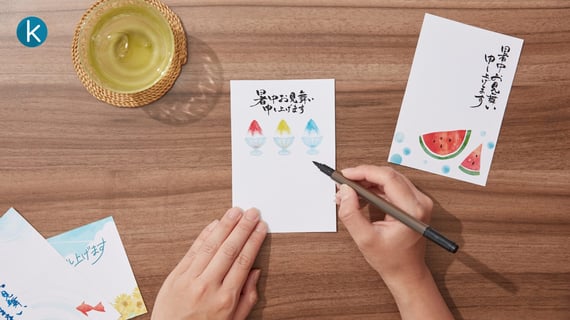
Workplace milestones are worth celebrating because a quick “we see you” goes a long way. Birthdays, retirements, new babies, and work anniversaries are the moments that help teams feel connected and appreciated.
Now the real question: how do you actually pull off the card? Traditional cards sound simple… until the card disappears, the last person forgets to pass it on, or someone accidentally baptizes it in coffee. And if the person is out of office (or out of state), good luck.
That’s why more teams are using eCards for employees. Digital cards make it easy to gather messages, keep things organized, and celebrate without the chaos, whether your team sits together or works from anywhere.
Below, we will compare and contrast the two card types, detailing the good and the bad, to help you decide which is a better fit for your workplace celebrations.
Let’s get started.
Key Takeaways
- Digital cards for workplace celebrations are better suited for modern teams, especially remote and hybrid workplaces.
- Traditional cards work for small, in-office teams but don’t scale well across locations.
- Group eCards increase participation by allowing employees to contribute on their own schedule.
- Digital cards support more meaningful messages through longer notes and multimedia.
- eCards reduce paper waste and align better with workplace sustainability goals.
- For teams deciding how to celebrate employees remotely, eCards offer the most practical solution.
The Basics of Traditional Cards and E-Cards
Greeting cards have long been a staple for celebrating milestones, offering condolences, or simply showing appreciation. While both traditional cards and eCards aim to bring joy and recognition, their formats and processes differ significantly. Let’s explore the basics of each to understand their unique appeal.
Traditional Greeting Cards
Traditional cards are tangible, physical items, often made from cardstock or paper, adorned with decorative designs, heartfelt messages, or humorous illustrations. These cards are usually pre-made, bought from stores, or customized through specialty services.
E-Cards
eCards, or digital greeting cards, bring a modern twist to the tradition of card-giving. These virtual cards act as traditional cards but are created and shared online, often through platforms like Kudoboard. Many of these digital greeting cards can be customized with photos and videos, and because they are housed digitally, they are more easily distributed for collaboration and delivery.
Traditional Corporate Greeting Cards (Pros & Cons)
Traditional corporate greeting cards have been used in workplaces for decades to recognize employee milestones and personal moments. These are physical, paper-based cards that are purchased, signed by colleagues, and delivered in person or by mail. They work well in some offices. But once teams go remote or hybrid, the cracks start to show.
The Benefits of Traditional Cards
- Tangibility: The physical presence of a traditional card can have a sentimental value that’s hard to replicate. Holding a card in your hands, seeing handwriting, and feeling the texture of the paper can make the gesture feel more thought-out and personal. Additionally, some people may enjoy a physical keepsake in an ever-digital workplace.
- Tradition and Nostalgia: For some, a paper employee appreciation card evokes a sense of nostalgia and is deeply rooted in workplace culture. They can create a feeling of continuity and connection.
- Simplicity: Sometimes, simplicity is key. Using an overly complicated digital version can be a hindrance to your celebration. Whereas a traditional card is predictable and accessible to all technology experience levels.
- Physical Keepsake: This type of card gives the recipient a physical keepsake that can be displayed, placed in a scrapbook, or stored in a special box.
Easily Found: As mentioned previously, a traditional card can be easily purchased while performing other tasks. Walking into a store and picking your favorite card can be easier than finding the best digital platform.

The Disadvantages of Traditional Cards
While traditional cards hold sentimental value, they have their share of limitations. Here are some of the disadvantages you might find with this type of card:
- Time-Consuming: Coordinating purchasing, circulating, and delivering physical cards can be unmanageable. Additionally, carrying the card around the office requires an employee to dedicate precious time to this effort. If the goal is to celebrate your employees more, this can become time-consuming and may become difficult to maintain long-term.
- Environmental Impact: Using paper, printing, and transportation contributes to a higher carbon footprint, which may conflict with an organization’s sustainability goals.
- Limited Customization: Most traditional appreciation cards come pre-made and, therefore, offer little room for creative expression compared to their digital counterparts. Adding photos, videos, or other elements is either impossible or requires significant effort.
- Limited Space: Unless you plan on buying a very large card, a traditional card is small. While this makes it easy to send, the lack of space isn’t conducive to a lot of messages. The space issue may result in coworkers’ messages being short and impersonal, missing the opportunity for more genuine employee appreciation.
- Difficult for Remote or Hybrid Teams: While paper cards can be sent to remote employees, coordinating group messages is next to impossible. If the teams are spread out among different locations, it is difficult for all team members to participate in the celebration, making it a less inclusive option.
- Easily Lost: Sure, sometimes it is nice to have a tangible card. However, from mistakenly placing papers into a pile of papers that got thrown out or falling from their bag as they make the commute home, a paper card can be more easily lost. A digital card can be kept safe in an email without the need to find a place in your office to store it or, worse, throw it out.
Digital Cards for Workplace Celebrations (Pros & Cons)
Digital cards for workplace celebrations are designed for how teams work today. Instead of circulating a physical card, messages are collected online, allowing employees to participate regardless of location or schedule.
These cards are especially effective for distributed teams and have become a practical answer for organizations figuring out how to celebrate employees remotely.
Benefits of Digital Cards
Convenience
One of the biggest advantages of digital cards for workplace celebrations is convenience. Traditional cards require purchasing, circulating, and delivering, all of which take time and coordination.
eCards can be created, signed by multiple colleagues, and delivered instantly or scheduled in advance. Because contributions happen online, teams can participate from anywhere without disrupting their workday.
Reduce Waste
eCards are sent digitally, making them more difficult to lose or damage. Traditional cards can sometimes get misplaced during circulation or damaged in transit, causing unnecessary waste and stress. With eCards, there’s no need to worry about these issues.
Sustainability
Employee celebrations are an easy opportunity to make more environmentally responsible choices. Traditional cards rely on paper, printing, and transportation, all of which increase carbon impact.
Digital cards remove the need for physical materials and delivery, making them a more sustainable option that aligns with modern workplace values.
Versatility and Customization
Paper cards are limited by space. Digital cards are not.
eCards allow contributors to add longer messages, photos, videos, GIFs, and other personal elements. This flexibility makes recognition more engaging and meaningful, especially for milestones like work anniversaries or retirements.
Inclusivity
Physical cards can unintentionally exclude people due to location, timing, or space limitations. Digital cards remove those barriers.
With group eCards for employees, everyone, remote, hybrid, or in-office, has an equal opportunity to contribute, making celebrations more inclusive and representative of the entire team.
Increased Participation
When recognition happens in the same digital environment where employees already work, participation naturally increases.
eCards allow people to contribute on their own schedule, which leads to higher engagement and more thoughtful messages, strengthening the impact of employee recognition.

Disadvantages of E-Cards
While eCards are brimming with benefits, they’re not without their drawbacks. Here are a few disadvantages you might find when using eCards:
- Lack of Tangibility: Digital cards don’t offer the physical experience that some employees appreciate. For those who value holding and displaying a card, eCards might feel impersonal. Finding an eCard program that provides print options can create a happy medium if this is an issue.
- Technology Barriers: Not everyone is tech-savvy. Employees who struggle with technology may find eCards less accessible or engaging. This can be overcome by selecting a user-friendly program and designating an employee to guide employees through a tutorial.
- Overwhelming Choices: The sheer variety of eCard options, platforms, and customization features can sometimes feel overwhelming, making it difficult to choose the right design or format. However, once you’ve selected a program for your celebrations, this becomes easier.
- Dependent on Devices: eCards require computer or mobile device access, which might limit their reach in certain workplace environments. If your workplace doesn’t use much technology and you don’t wish to send the eCard to their personal device, a traditional card might be a better option.
Why eCards are the Better Option for Workplace Celebrations
The shift towards digital solutions isn’t just about convenience; it’s about adapting to the needs of modern workplaces. eCards bring this exact adaptability. As more workplaces modernize, so should the way we approach greeting cards.
As our teams spread across geographical locations, employee appreciation eCards become a sustainable option to celebrate all employees. Because they are perfect for both in-person and virtual teams, digital cards can help you bridge the gap between in-person and remote colleagues.
Additionally, electronic greeting cards are more cost-effective. By eliminating shipping costs and paying only for a greeting card program, you can free up more space in your budget for other celebration elements.
Lastly, digital cards are more memorable. Enhanced with multimedia elements like videos, animations, and photos, eCards create a fuller picture of the person’s experiences and how people see them. These elements add dimension and sincerity to the standard “Happy Birthday” message.
Here’s a quick comparison:

For most modern teams, digital cards for workplace celebrations are the more practical choice, especially when you need inclusive participation across locations. If you’re deciding how to celebrate employees remotely, eCards consistently deliver the easiest and most scalable experience.
Make Your Digital Greeting Card Shine with Kudoboard
Coordinating employee recognition often falls on one person, usually at the last minute. The challenge isn’t appreciation itself, but managing contributions, timing, and inclusion.
Kudoboard helps simplify that process by providing a shared digital space for group eCards for employees. Instead of tracking down signatures or worrying about who was missed, teams can contribute messages in one place, on their own schedule.
Kudoboard is commonly used for:
- Work anniversaries
- Birthdays
- Retirements
- Team milestones
- Welcome and farewell messages
Because contributions happen online, Kudoboard supports both in-office and remote teams equally. This makes it a practical option for organizations figuring out how to celebrate employees remotely without creating extra work for managers or HR.
The result is a single, organized card filled with thoughtful messages, photos, or videos, delivered at the right moment and easy for the recipient to revisit later.

Why Modern Teams Are Moving to Digital Cards
Workplace celebrations work best when they reflect how teams actually operate. While traditional cards still carry familiarity, they often fall short in remote and hybrid environments.
Digital cards for workplace celebrations offer a more inclusive, flexible way to recognize employees, without the coordination issues or limitations of paper cards. They make it easier for everyone to participate, whether they’re in the office or working remotely.
If you’re rethinking how to celebrate employees remotely, start small. Try using a group eCard for your next work anniversary, birthday, or team milestone and see how participation and message quality change.
Modern recognition doesn’t require more effort; it requires the right format.
Frequently Asked Questions
What are e Cards?
eCards are digital greeting cards that are created, shared, and delivered online. In workplace settings, they are commonly used as group eCards for employees, allowing multiple colleagues to contribute messages, images, videos, or GIFs in one shared space.
Unlike traditional paper cards, eCards are not passed around physically. Instead, contributors add their messages asynchronously, making eCards especially useful for remote and hybrid teams.
Digital cards for workplace celebrations are often used to recognize:
- Birthdays
- Promotions
- Retirements
- Team wins
- Work anniversary cards
Because they live online, eCards are easy to access, difficult to lose, and can be revisited long after the celebration ends.
How do companies ensure recognition feels genuine and not automated?
Authenticity comes from participation and message quality. Encouraging contributors to share specific examples or personal reflections helps recognition feel sincere rather than procedural, regardless of the format used.
What’s the difference between an e-card and a digital card?
There’s no meaningful difference. “E-card” and “digital card” are used interchangeably to describe greeting cards created and shared online. In workplace settings, both refer to collaborative cards used for employee recognition and celebrations.
About the author: