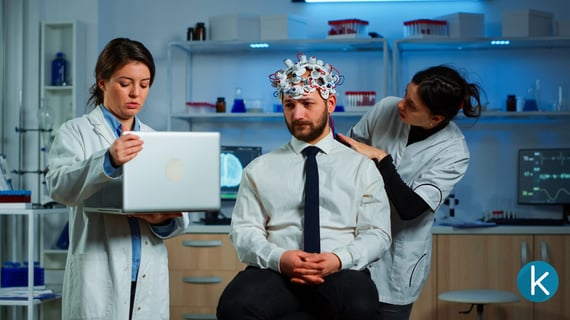
It is natural to want a happy life, which includes happiness in the workplace. Within this pursuit of happiness, how often do we stop to think about how grateful we are for what we already have, or for what someone else has done for us?.
Gratitude is a powerful human emotion, and can make all the difference in our happiness and how we relate to one another, especially at work. In today’s developing workplace landscape, creating meaningful human connections is more important than ever. In that instance, gratitude is key.
In the workplace, expressing gratitude through employee recognition can greatly affect the company culture. Gratitude can truly change an organization, from the inside out.
At its core, gratitude is the recognition and appreciation of the good in our lives, often sparked by the actions of others. While this might sound like it wouldn’t matter very much, the science behind gratitude tells a different story: gratitude physically changes the brain. When we receive or give recognition and appreciation, our brains release neurotransmitters that boost mood, strengthen social bonds, and even improve decision-making.
Key Takeaways
- Gratitude triggers dopamine, serotonin, and oxytocin, improving mood, trust, and motivation.
- Employee recognition activates the brain’s reward system and reinforces positive behavior.
- Lack of recognition leads to stress, burnout, disengagement, and lower innovation.
- Public and peer recognition strengthen collaboration and team connection.
- Consistent, timely appreciation builds a stronger culture and improves retention.
- Recognition tools make gratitude visible, scalable, and sustainable.
The Brain On Gratitude: What Happens When We Feel Appreciated
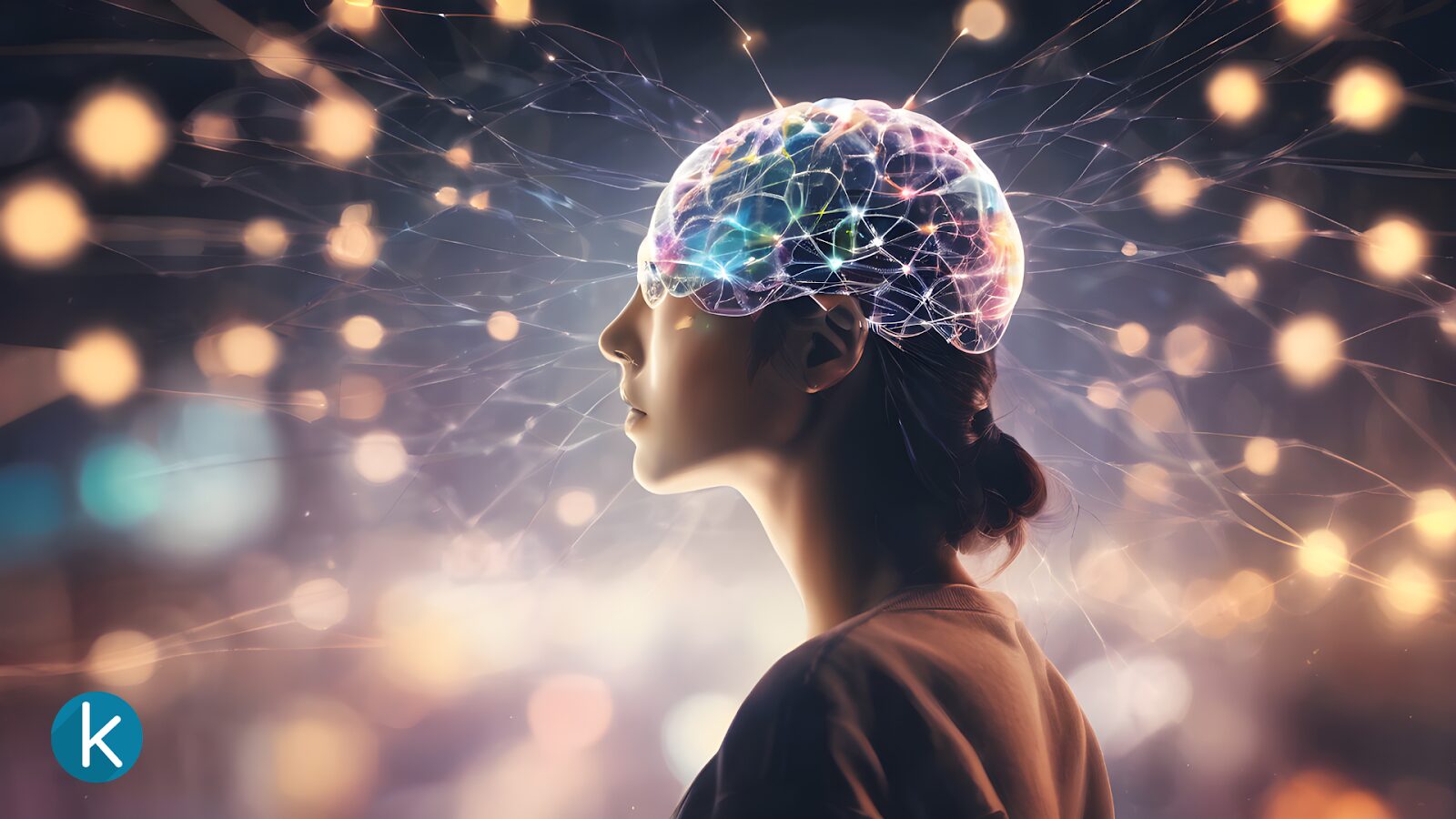
Before discussing how gratitude applies in the workplace, it is important to understand the brain’s response to appreciation and why it carries such influence. Three key brain chemicals are activated when we practice gratitude.
- When we express or receive gratitude, several brain regions become active, including the ventromedial prefrontal cortex (vmPFC). This area plays a central role in decision-making and emotional regulation. It is part of the brain’s reward system and is responsible for the positive feelings we experience when we do something meaningful or receive acknowledgement. This is the same neurological pathway activated during authentic employee recognition.
- Gratitude also triggers the release of dopamine and serotonin, two neurotransmitters closely tied to motivation, happiness, and overall well-being. These chemicals elevate mood and reinforce positive emotional states. When employees experience employee appreciation, whether by giving it or receiving it, these chemical responses increase engagement and internal motivation.
- Another critical chemical involved is oxytocin, often referred to as the bonding hormone. Oxytocin strengthens trust, social bonding, and emotional connection. It is released during positive interpersonal interactions, especially when gratitude is expressed. Research shows that even witnessing an act of appreciation can stimulate oxytocin release.
When these chemicals work together, they create measurable neurological change. Trust increases. Defensive behavior decreases. Communication improves. Dopamine strengthens the link between positive feedback and the behavior that earned it, reinforcing specific employee achievements.
As a result, individuals are more likely to repeat high-value actions. This is why structured employee recognition programs are not just cultural initiatives but biologically effective performance drivers.
The Gratitude Deficit: What Happens Without It
Gratitude is powerful and can reshape both individual performance and organizational culture. But when it is missing, the impact is equally significant. The absence of consistent employee recognition and employee appreciation creates measurable psychological and cultural consequences.
- When effort goes unnoticed, employees experience a psychological toll. At first, it may seem minor, but over time, it leads to stress, burnout, and disengagement. Without acknowledgement, motivation declines. Employees begin to question whether their extra effort is worth it.
- Disconnection is another outcome. Without shared moments of recognition and appreciation, team bonding weakens. Collaboration decreases. Social interaction becomes limited, and trust in colleagues and leadership can erode. A workplace without visible employee appreciation often feels transactional rather than supportive.
- Innovation also suffers. When psychological safety declines, employees are less willing to take initiative or go beyond minimum expectations. If strong performance receives no acknowledgment, there is little incentive to contribute at a higher level.
Ultimately, when gratitude is absent, negativity fills the gap. Morale declines. Engagement drops. Employees begin to withdraw long before they resign mentally.
This effect is amplified in hybrid and remote environments, where spontaneous appreciation is already limited. Without intentional and visible employee recognition, silence can easily be interpreted as indifference.
Gratitude Is a Game Changer For Organizations
When gratitude is utilized well in the workplace, especially during intentional recognition moments, it can reinforce the behaviors companies want to see more of. Such behaviors as collaboration, innovation, and “follow-through” on key employee achievements. Employees who feel appreciated tend to repeat the actions that earned them praise.
Showing gratitude through employee recognition helps employees release dopamine, which can fuel motivation and goal-driven behavior. Here are a few ways gratitude can change the workplace landscape for the better.
- Gratitude also increases synergy on a team, as individuals are more willing to contribute if they feel their contributions are valued. This is where peer-to-peer recognition is key. When employees feel they are valued and appreciated by their peers, they are more likely to help the teammate who expressed gratitude towards them.
- An employee who feels genuinely valued through consistent employee appreciation is far more likely to develop loyalty to the organization, or at a minimum, to their immediate team. When people feel seen and acknowledged, commitment strengthens.
- Strong employee recognition practices contribute directly to higher retention and improved morale. Employees who feel appreciated are less likely to look elsewhere and more likely to stay engaged in their roles.
- Gratitude changes the organizational culture. When gratitude is embedded in the heart of a company through regular celebration of employee achievements, employees can feel the difference. This change leads to increased employee engagement and an overall improved employee experience. A culture of gratitude can also become self-sustaining as leadership-led gratitude gets copied into peer-to-peer demonstrations of gratitude.
The Power Of Visible, Shared Appreciation

Gratitude may start in the brain, but its impact can ripple across an entire organization, especially when it is visible. If you want your company to utilize the power of employee recognition more, employees and leadership need to see examples of recognition regularly. Visible appreciation, or public employee recognition, is the best way to show the power that gratitude has in a company. Here are a few ways public recognition can make a difference in an organization.
- Public recognition reinforces positive behaviors and team values, which helps employees see the bigger picture of their work. When employees see how their work contributes to a larger mission, they develop a deeper sense of purpose.
- Tools that allow for shared appreciation (like digital boards, dedicated Slack channels, or “Teams” meetings) create a culture of recognition where praise isn’t siloed. When praise isn’t hidden in private emails or restricted to leadership-only feedback, it becomes a shared language of the team. These tools or recognition rituals also create opportunities for others to give genuine appreciation and make recognition a group habit.
- Visible employee recognition boosts employee engagement by making appreciation part of the team’s shared experience. When team members are publicly celebrated, it fosters a sense of belonging within their team and organization as a whole. Employees are more likely to stay motivated, contribute creatively, and go the extra mile when they know their efforts will be valued in real time.
- Teams that regularly engage in peer-based employee recognition tend to be more cooperative, empathetic, and motivated to contribute. When appreciation is visible, it strengthens trust and encourages stronger collaboration. Consistent employee appreciation also improves communication and deepens working relationships, creating teams that are more resilient and committed to shared goals.
- Public recognition efforts validate employee contributions in a meaningful and lasting way. Through authentic recognition, companies generally see an increase in employee loyalty and job satisfaction. Additionally, when gratitude is embedded in the company culture, there is less employee turnover.
Kudoboard: A Brain-Friendly Way To Build Recognition
If the goal is to fuel healthy, connected, and productive teams, we need tools that make recognition both easy and meaningful. That’s where Kudoboard comes in, as a powerful and effective employee recognition program that is perfect for 1-to-1 shoutouts, team appreciation, end of year awards, employee appreciation week, and so much more.
A digital employee recognition program can help companies offer recognition that is timely, specific, and emotionally resonant. Through shared digital boards, Kudoboard taps into the psychology of appreciation by creating a reward loop in the brain, which fuels employee motivation.
Kudoboard isn’t just for in-person companies; it is perfect for all types. Whether your company is hybrid, remote, or in person, Kudoboard is a scalable way to support employee motivation and engagement while reinforcing cultural values.
Within Kudoboard, you’ll find excellent features like multimedia posts, group messages, and milestone boards, which can make employee appreciation feel personal and memorable. This recognition platform highlights employee accomplishments and makes regular recognition achievable. It is easy to use, offers analytics and insights, and can easily integrate with systems like Slack or Microsoft Teams (and more).
6 Gratitude Tips For Organizations
Building a culture of recognition, where employees come first, and gratitude is key, comes with a strategy. This type of organizational culture success does not happen overnight or through some one-off thank you emails. Having a great recognition strategy is key, as well as following a few tips that can make all the difference in recognition culture.
- Make recognition timely and specific.
Gratitude loses power when it is vague or delayed by a few weeks (even a few days can make a difference if the employee has already moved on to a new task).
To reinforce the brain’s reward center, recognizing employees in the moment (or as close to the event as possible) makes a big difference. As long as the recognition is timely and authentic, it doesn’t matter if you’re thanking an employee for something small (like helping a teammate) or something larger (like extra hours towards a big project over an extended period).
Pro Tip: Use employee recognition software like Kudoboard or a Slack channel to make it easy for teams to give real-time praise.
- Encourage peer recognition.
Gratitude doesn’t need to come specifically from management to be powerful. Social recognition can feel even more authentic because it comes from someone who truly understands the effort involved. Encourage team members to publicly celebrate one another’s big and small wins.
Pro Tip: Start a recognition ritual that encourages peers to recognize their team member’s efforts (the beginning of weekly or monthly team meetings is a great place to start).
- Tie Appreciation To Core Values.
Generic “good job” praise is nice, but recognition tied to organizational values is more impactful. When recognition is tied to core values, it reinforces cultural alignment and gives employees a clear sense of what behaviors matter in the workplace.
Pro Tip: Include a “value spotlight” in employee recognition messages to show alignment between action and culture.
- Create Recognition Rituals.
Gratitude should be integrated throughout your company’s culture and day-to-day work. Consistent recognition rituals help gratitude become a habit, which rewires the brain over time and increases organizational trust.
Pro tip: Have weekly, monthly, quarterly, and yearly recognition rituals established. Weekly recognition could be a Friday shout-out day. Monthly recognition could include the classic, “employee of the month.” Quarterly recognition could be a team appreciation day. Yearly appreciation could be milestone achievement awards or an employee appreciation day. Recognition rituals don’t have to cost a lot of money; they just need to be authentic.
- Recognize the Recognizers.
Leaders and team members who consistently practice gratitude deserve appreciation. Recognizing those who regularly uplift others builds a virtuous cycle where kindness and motivation help change the heart of a team. Gratitude is contagious. Praising people for recognizing others prompts a culture of empathy, which increases employee engagement and motivation.
Pro Tip: Highlight “gratitude champions” in internal newsletters or team meetings.
- Find A Good Employee Recognition Platform.
Without the proper tools, gratitude is likely to fall by the wayside. Having tools like employee recognition programs can help make regular recognition achievable. There are also plenty of examples of companies who have great employee recognition programs that can help provide examples of how to incorporate regular recognition.
Read More: 20 Ways To Make Employee Recognition More Meaningful
Brains Thrive On Appreciation – So Do Teams
The evidence is clear. Gratitude is essential in everyday life, especially at work, where most adults spend a significant portion of their time. When consistent employee appreciation is part of the workplace culture, it contributes to happier employees and healthier individuals overall.
Organizations that prioritize meaningful employee recognition, regularly celebrate achievements, and embed appreciation into daily operations build a motivated and emotionally connected workforce.
Teams that thrive on appreciation do not just perform better. They feel more engaged, supported, and committed. In today’s evolving work environment, that level of connection is not optional. It is necessary.
The science-backed approach to recognizing your team
Strengthen culture and engagement through employee recognition
Frequently Asked Questions
1. Why is employee recognition important in the workplace?
Employee recognition activates the brain’s reward system, releasing chemicals like dopamine and oxytocin that increase motivation, trust, and engagement. When employees feel valued, they are more likely to stay committed and perform at a higher level.
2. How does employee appreciation reduce burnout?
Consistent employee appreciation helps employees feel seen and supported. This reduces stress, strengthens morale, and prevents the disengagement that often leads to burnout.
3. What is the difference between employee recognition and employee appreciation?
Employee recognition typically highlights specific achievements or performance outcomes. Employee appreciation focuses on valuing the individual and their overall contribution. Both are important for building a healthy workplace culture.
4. How often should companies practice employee recognition?
Recognition should be timely and consistent. Weekly peer shout-outs, monthly highlights, and milestone celebrations help make appreciation part of everyday operations rather than an occasional event.
5. Does public recognition make a difference?
Yes. Public employee recognition strengthens team connection, reinforces company values, and builds a shared sense of purpose. Visible appreciation increases trust and encourages others to contribute.
6. Can digital tools improve employee appreciation efforts?
Digital recognition platforms make it easier to give timely, visible, and scalable appreciation. They help organizations build sustainable recognition habits across in-person, hybrid, and remote teams.
About the author: