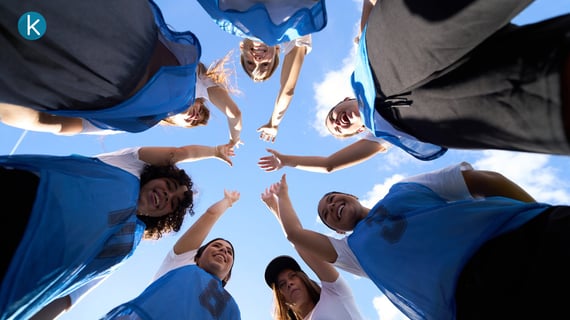
A connected team works better together and usually has a lot more fun doing it.
The right fun team engagement activities can spark better conversations, lift morale, and turn everyday work into something people actually enjoy being part of. Whether you’re looking for fresh employee engagement ideas, simple employee engagement activities, or better team-building activities for work, a few good ideas can go a long way.
In this guide, you’ll find 57 practical ideas your team can actually use, including creative virtual options and easy office engagement activities that help people connect, collaborate, and feel more involved.
Key Takeaways
- The best fun team engagement activities are simple, easy to join, and feel natural for your team.
- A mix of quick games, recognition moments, and shared experiences helps keep engagement fresh.
- Strong employee engagement activities improve connection, morale, and day-to-day team culture.
- The right team-building activities for work should match your team’s size, setup, and energy level.
- Consistency matters more than complexity; small activities done regularly have a bigger long-term impact.
How the Right Activities Build a More Connected Team
Team engagement activities are simple ways to bring people together outside of everyday tasks, meetings, and deadlines. They can be quick games, shared experiences, recognition moments, or creative team exercises, but the bigger goal is connection.
The best employee engagement activities help people feel included, appreciated, and more involved in the workplace. They make it easier for coworkers to build real relationships, improve communication, and enjoy working together a little more.
That’s why fun team engagement activities can have such a big impact. When an activity feels natural and enjoyable, people are more likely to participate, open up, and actually connect with the team around them. Whether you’re planning casual office engagement activities or more structured team building activities for work, the right ideas can boost morale and make your culture stronger over time.
How to Choose the Right Team Engagement Activity
Not every activity works for every team, and that’s usually where things go wrong.
The best fun team engagement activities are the ones that fit your team’s size, energy, schedule, and work setup. A quick game might work perfectly during a team meeting, while a larger celebration or challenge makes more sense for a monthly event.
It also helps to start with a clear goal. Are you trying to boost morale? Help new hires feel welcome? Encourage better collaboration? Or just give people a break from the usual routine? Once you know the purpose, it becomes much easier to choose employee engagement activities that actually feel useful and enjoyable.
You’ll also want to think about logistics. Some team-building activities for work are better for in-person teams, while others are more flexible for remote or hybrid groups. And if your team is already stretched thin, simple ideas usually work better than anything that needs a lot of planning.
A good rule of thumb: keep it easy, inclusive, and low-pressure. The more natural it feels, the more likely people are to join in and enjoy it.
Now let’s get into the fun part: employee/team engagement ideas.
57 Fun Team Engagement Activities
Not every team needs the same kind of activity. Some groups need something quick to lighten up a meeting, while others need easy ways to help people talk, connect, and feel more comfortable with each other.
These fun team engagement activities are grouped by category, so you can find what fits your team faster.
Quick & Easy Team Engagement Activities (5–15 Minutes)

These are great when you want simple employee engagement activities that are easy to run, don’t need much setup, and still make the team feel more connected.
1. Two Truths and a Lie
Each person shares three short statements about themselves. Two are true, and one is made up. The rest of the team has to guess which one is the lie. It’s a simple way to get people talking and learn small, interesting things about each other.
Best for: New teams, icebreakers, team meetings
Time: 10–15 minutes
Why it works: It helps people share personal details in a fun, low-pressure way and quickly breaks the usual work-only conversation pattern.
2. Rapid-Fire Icebreakers
Ask a series of quick, fun questions and let everyone answer one by one. Keep the questions light and easy, like favorite snack, dream vacation, first job, or go-to karaoke song. The point is to create a fast conversation without making it feel too formal.
Best for: Weekly check-ins, new hires, team calls
Time: 5–10 minutesWhy it works: It gets everyone involved quickly, adds energy to the room, and makes it easier for coworkers to relate to each other.
3. Emoji Mood Check-In
Ask everyone to describe their mood, energy level, or week using only emojis. People can drop them in chat, on Slack, or say them out loud if they want to explain. It’s a quick activity, but it gives the team a real sense of how everyone is showing up.
Best for: Remote teams, Slack channels, meeting openers
Time: 5 minutes
Why it works: It’s easy, low-effort, and gives even quieter team members a simple way to participate.
4. This or That Polls
Give the team a series of fast choice-based questions like coffee or tea, beach or mountains, early bird or night owl, or remote work or office days. You can do it live, in chat, or with a quick poll tool. Then let people react or explain their picks.
Best for: Team meetings, virtual calls, casual engagement moments
Time: 5–10 minutes
Why it works: It creates easy interaction, sparks side conversations, and works well when you need quick employee engagement ideas that don’t feel awkward.
5. 5-Minute Gratitude Round
Ask each person to share one thing they appreciate about a teammate, a recent win, or something positive in their day. Keep it short and simple. This works especially well at the end of the week or after a busy project when the team could use a small reset.
Best for: Team bonding, morale boosts, appreciation moments
Time: 5 minutes
Why it works: It shifts attention toward positive moments and helps people feel noticed, valued, and more connected to the team.
6. Desk Show-and-Tell
Have each team member pick one item from their desk, workspace, or home office and explain what it is and why they chose it. It could be something useful, funny, sentimental, or completely random. The stories behind the objects are usually what make the activity work.
Best for: Hybrid teams, remote teams, casual team calls
Time: 10 minutes
Why it works: It brings personality into the conversation and helps coworkers connect through small, real-life details.
7. One-Word Check-Ins
At the beginning of a meeting, ask everyone to describe how they’re feeling, what kind of week they’re having, or what’s on their mind in just one word. After everyone shares, you can invite a few people to explain theirs if they want.
Best for: Busy teams, recurring meetings, quick team check-ins
Time: 5 minutes
Why it works: It’s fast, easy to repeat, and gives the team a better read on each other without taking over the meeting.
This is one of the easiest categories to start with because these activities fit naturally into the workday. If you’re looking for team-building activities for work that don’t need a full event plan, these are a solid first step.
Fun Remote Team Engagement Activities
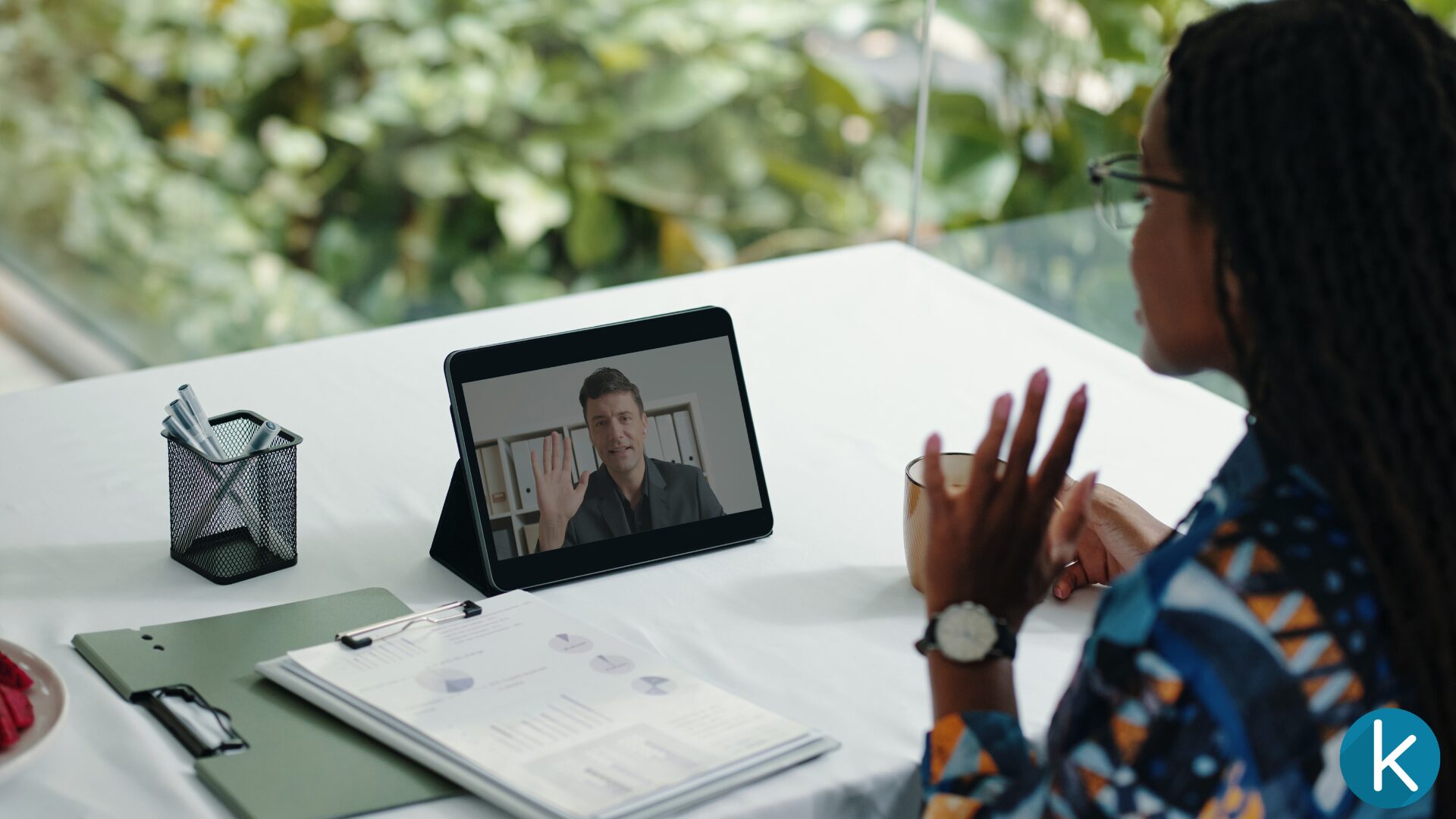
When your team isn’t in the same room, connection doesn’t just happen on its own; you have to create it. These fun team engagement activities are designed specifically for remote teams, helping people interact beyond work tasks and feel more connected day to day.
Also Read: How to Increase Employee Engagement Remotely
8. Virtual Coffee Chats
Pair up team members randomly each week for short, informal video calls. No agenda, no work talk required, just a chance to catch up like you would in an office break room. You can rotate pairs to help people connect across the team.
Best for: Remote teams, cross-team bonding, new hires
Time: 15–20 minutes
Why it works: It recreates casual office interactions and helps build real relationships, especially between people who don’t usually work together.
9. Remote Buddy System
Assign each employee a “buddy” for a set period (like a month). Buddies check in regularly, share updates, and support each other, especially helpful for onboarding or large teams where people may feel disconnected.
Best for: Onboarding, large remote teams, ongoing engagement
Time: Ongoing (5–10 minutes per check-in)
Why it works: It creates a consistent one-on-one connection and helps employees feel supported and included.
10. Online Trivia Sessions
Host a virtual trivia game using tools like Kahoot or Zoom quizzes. You can run it as a team competition or individual challenge, with categories ranging from general knowledge to company-specific fun facts.
Best for: Team calls, virtual events, friendly competition
Time: 20–30 minutes
Why it works: It adds energy to virtual meetings and encourages teamwork, participation, and a bit of friendly rivalry.
11. Virtual Appreciation Events
Create a dedicated time for team recognition where people can share shoutouts, celebrate wins, or highlight contributions. This can be done through a shared board, live call, or chat channel where everyone participates.
Best for: Recognition, morale boosting, team celebrations
Time: 15–30 minutes
Why it works: It helps employees feel seen and valued, which is one of the most effective forms of employee engagement activities.
12. Remote Talent Show
Invite team members to share a talent: singing, cooking, art, magic tricks, or anything they enjoy. Keep it optional and light. The goal is to let people show a different side of themselves outside of work.
Best for: Team bonding, creative expression, virtual events
Time: 30–60 minutes
Why it works: It brings personality into the workplace and creates memorable shared moments.
13. Digital Scavenger Hunt
Create a list of items or challenges (like “find something blue” or “share a childhood photo”) and ask participants to submit pictures or answers within a set time. You can run it live or asynchronously.
Best for: Remote teams, team challenges, async participation
Time: 20–30 minutes
Why it works: It’s interactive, flexible, and works well across time zones, making it one of the most adaptable employee engagement ideas.
These ideas are especially useful if your team is fully remote or spread across locations. They help replace the small, everyday interactions that are easy to miss outside the office.
Hybrid-Friendly Team Engagement Activities

Hybrid teams need a little more thought because the experience has to work for people in the office and those joining remotely. If the activity only feels fun for one group, it usually falls flat. These ideas are built to include both sides, which makes them especially useful if you want fun team engagement activities that work in a modern workplace.
14. Hybrid Team Challenges
Create simple team-based challenges that both remote and in-office employees can join, like step goals, random acts of kindness, mini creative contests, or problem-solving tasks. Keep the rules clear and the format flexible so no one is left out because of location.
Best for: Hybrid teams, ongoing engagement, friendly competition
Time: 15 minutes to launch, then ongoing through the week
Why it works: It gives everyone a shared goal and makes participation feel equal, no matter where they’re working from.
15. Shared Digital Boards
Use a shared digital space where team members can post shoutouts, celebrate milestones, welcome new hires, or share team wins. This can be used for birthdays, anniversaries, project completions, farewells, or just everyday appreciation. It works especially well when you want recognition to feel visible and collaborative.
Best for: Recognition, celebrations, team-wide participation
Time: 10–20 minutes to contribute, ongoing for team use
Why it works: It gives both remote and in-office employees one shared place to connect, celebrate, and feel included.
16. Hybrid Trivia with Live and Remote Players
Run a trivia session where in-office and remote employees play together in mixed teams. Use a shared screen, chat, or quiz platform so everyone can answer in real time. The key is to design it so remote participants are fully part of the game, not just watching from the side.
Best for: Team meetings, social events, mixed-location teams
Time: 20–30 minutes
Why it works: It creates real-time interaction across locations and helps the whole team feel like they’re part of the same experience.
17. Asynchronous Photo Contests
Pick a fun theme like “best desk setup,” “cutest pet coworker,” “your view today,” or “most creative lunch,” and have people submit photos over a day or week. Then let the team vote on favorites. This is one of those employee engagement ideas that works well when schedules and time zones do not fully overlap.
Best for: Hybrid teams, async participation, low-pressure engagement
Time: 10 minutes to submit, plus voting time later
Why it works: It’s easy to join, doesn’t require everyone to be online at once, and gives people a fun reason to interact.
18. Weekly Wins Thread
Start a shared weekly thread where team members post one win from the week, big or small. It could be finishing a project, helping a teammate, solving a problem, or simply getting through a busy week. Encourage replies so wins feel noticed, not just posted.
Best for: Ongoing morale, recognition, team communication
Time: 5–10 minutes each week
Why it works: It builds a habit of recognition, keeps people connected across work setups, and helps teams celebrate progress more consistently.
In-Office Fun Team Activities

When people share the same space, even simple activities can bring a lot of energy into the workday. The key is choosing ideas that feel easy to join and fun enough to break up the usual routine. These office engagement activities work well when you want to boost interaction, lighten the mood, and give people a reason to connect in person.
19. Office Trivia Hour
Set aside time for a live trivia session in the office, either as individuals or small teams. You can keep the questions general, choose a fun theme, or mix in company-related facts for a more personalized version. It works best when the tone stays light, and the rounds move quickly.
Best for: In-office teams, team lunches, casual social events
Time: 30–45 minutes
Why it works: It brings people together in a relaxed setting, creates friendly competition, and gives teams a fun way to interact outside of their usual work conversations.
20. Desk Decorating Contests
Pick a theme and invite employees to decorate their desks or work areas around it. Themes can be seasonal, holiday-based, color-based, or completely random, depending on your workplace culture. Once everyone is done, let the team vote on categories like funniest, most creative, or best overall.
Best for: Seasonal engagement, creative teams, office-wide participation
Time: 20–30 minutes to decorate, plus voting time
Why it works: It adds visual energy to the workplace and gives people a creative outlet that feels playful without being complicated.
21. Cooking or Baking Challenges
Have team members bring in homemade snacks or dishes based on a simple theme, like best dessert, favorite family recipe, or easiest lunch idea. You can make it a tasting event, a friendly competition, or just a shared food moment where people swap recipes and stories.
Best for: Team bonding, food-loving teams, themed office events
Time: 30–60 minutes
Why it works: Food naturally brings people together, and this kind of activity creates conversation, shared experience, and a more social atmosphere in the office.
22. Show-and-Tell Sessions
Invite team members to bring in one item and explain why it matters to them. It could be something funny, useful, meaningful, or connected to a hobby or memory. The activity is simple, but it opens the door for people to share more of their personality naturally.
Best for: Small teams, new teams, casual office meetings
Time: 15–20 minutes
Why it works: It helps coworkers learn more about each other beyond job titles and makes the workplace feel more personal and connected.
23. Office Olympics
Create a series of light, workplace-friendly mini games like chair races, paper toss, desk putt-putt, or timed team challenges. Keep it safe, simple, and easy to join. You can run it all at once as a bigger event or spread it out through the day to keep energy up.
Best for: Team celebrations, larger offices, high-energy groups
Time: 30–60 minutes
Why it works: It creates excitement, gets people laughing, and turns a normal workday into a shared experience the team is likely to remember.
Recognition & Appreciation Activities

Some of the most effective employee engagement activities are also some of the simplest: helping people feel seen, valued, and appreciated. Recognition does not always need to be formal or complicated. Small moments of appreciation can go a long way in making teams feel more connected, motivated, and involved in the workplace.
24. Peer Shoutout Sessions
Set aside a few minutes during a team meeting for people to recognize a coworker who helped them, supported a project, or did something worth celebrating. Keep it open, specific, and genuine. Over time, this becomes a simple way to make appreciation part of the team’s regular rhythm instead of something saved only for major milestones.
Best for: Team meetings, ongoing recognition, morale boosts
Time: 10–15 minutes
Why it works: It creates a habit of appreciation and helps employees feel noticed by the people they work with every day.
25. Team Appreciation Boards
Create a shared space where team members can post thank-you notes, celebrate wins, or recognize each other’s efforts. This can be physical in the office or digital for remote and hybrid teams. Appreciation boards work especially well because they make recognition visible, collaborative, and easy for everyone to join.
Best for: Hybrid teams, team-wide recognition, everyday appreciation
Time: 10–20 minutes to contribute, ongoing use
Why it works: It gives recognition a place to live, which helps appreciation feel more consistent instead of occasional.
26. Work Anniversary Celebrations
Celebrate employee work anniversaries with a team message, a shared story, a small gathering, or a digital board where coworkers can add memories and appreciation. This is a simple way to recognize loyalty and contributions while also making the employee feel genuinely valued by the team around them.
Best for: Milestone recognition, retention, team celebrations
Time: 15–30 minutes
Why it works: It turns an important milestone into a shared moment and reminds employees that their time and impact matter.
27. Welcome Boards for New Hires
Create a welcome board where teammates can introduce themselves, share kind messages, offer tips, or simply say hello to a new employee. This works especially well during onboarding, when new hires are still figuring out the team dynamic and may not know many people yet.
Best for: Onboarding, new hires, hybrid, and remote teams
Time: 10–15 minutes to contribute
Why it works: It helps new employees feel included from day one and makes the team seem more approachable and supportive.
28. Farewell Memory Boards
When someone leaves the team, invite coworkers to share favorite memories, kind words, or messages of appreciation in one place. This can be done digitally or in person, depending on your setup. It turns a goodbye into something more personal and meaningful than a quick sign-off in chat.
Best for: Farewells, team transitions, culture building
Time: 15–20 minutes to contribute
Why it works: It helps people leave on a positive note and shows that their time with the team made an impact.
29. Employee of the Week With Stories
Choose one employee each week and go beyond simply naming them. Ask teammates to share short stories or examples of what that person did well, how they helped others, or why they made a difference. The storytelling part makes the recognition feel more personal and more real.
Best for: Ongoing recognition, morale, team culture
Time: 10–15 minutes
Why it works: It adds context to recognition, which makes appreciation feel more thoughtful and meaningful.
30. Gratitude Chain Messages
Start with one appreciation message to a teammate, then invite that person to continue the chain by recognizing someone else. The message can move through email, chat, or a shared board over the course of a day or week. It is a simple format, but it creates a strong sense of positive momentum.
Best for: Team bonding, appreciation campaigns, remote or hybrid teams
Time: 5–10 minutes per person
Why it works: It spreads recognition across the team in a way that feels personal, interactive, and easy to keep going.
Also Read: Fun Remote Team Events
Creative & Social Team Activities

Sometimes the best team activities are the ones that let people relax, be a little playful, and show more of their personality. These fun team engagement activities work well because they create shared moments without making everything feel too formal or work-focused. They are especially useful when your team needs a fresh energy boost.
31. Talent Shows
Invite team members to share a talent, hobby, or fun skill with the group. It could be singing, drawing, baking, photography, playing an instrument, or anything else they enjoy. Keep participation optional and the tone light so it feels fun, not like a performance review with better lighting.
Best for: Team bonding, social events, creative teams
Time: 30–45 minutes
Why it works: It helps coworkers see a different side of each other and creates memorable moments people will actually talk about later.
32. Improv Games
Run simple improv-style activities like “yes, and,” one-word story building, or acting out random scenarios. You do not need to turn the team into comedians. The point is to get people thinking quickly, listening closely, and responding in the moment in a more relaxed setting.
Best for: Small teams, communication practice, energy boosts
Time: 15–25 minutes
Why it works: It encourages quick thinking, active listening, and collaboration while keeping the mood fun and low-pressure.
33. Art Challenges
Give the team a prompt and ask everyone to create something around it, like a quick sketch, collage, doodle, or digital design. You can keep it themed around work, seasons, or just something random and fun. The focus is on participation and creativity, not artistic skill.
Best for: Creative breaks, hybrid teams, low-pressure engagement
Time: 20–30 minutes
Why it works: It gives people a chance to step away from their usual tasks and connect through something playful and different.
34. Meme Contests
Choose a theme like “how this week feels,” “team life,” or “Monday mood,” and invite employees to create or share a meme that fits. You can vote on favorites or simply post them in a shared chat thread. It works best when the humor stays workplace-friendly and easy for everyone to join.
Best for: Remote teams, casual engagement, quick team interaction
Time: 10–15 minutes
Why it works: It taps into humor, keeps participation easy, and gives the team a fun way to relate over shared work experiences.
35. Storytelling Sessions
Pick a prompt and let team members share a short personal story. It could be about a funny travel moment, first job, favorite memory, or a lesson they learned the hard way. Keep it casual and short so it feels conversational rather than formal.
Best for: Team bonding, new teams, deeper connection
Time: 20–30 minutes
Why it works: It helps people connect through real experiences and builds stronger relationships than surface-level small talk.
These kinds of employee engagement ideas are useful when you want people to connect in a more relaxed and human way. They bring creativity into the workday and help teams interact beyond deadlines, updates, and to-do lists.
Team Building & Collaboration Activities

If your goal is to help people work better together, these activities are a strong place to start. They go beyond casual fun and give teams a chance to communicate, solve problems, and rely on each other in real time. These kinds of team building activities for work are especially useful when you want connection and collaboration to grow at the same time.
36. Escape Room Challenges
Set up an escape room experience where teams solve clues, complete puzzles, and work through a series of tasks before time runs out. This can be done in person, virtually, or through a DIY version built around your own prompts. The activity works best when people have to combine different strengths to move forward.
Best for: Collaboration, problem-solving, mixed-skill teams
Time: 30–60 minutes
Why it works: It pushes people to communicate, think together, and make decisions as a team under light pressure.
37. Scavenger Hunts
Create a list of items, clues, or mini tasks for teams to complete within a set time. You can run it in the office, outdoors, or digitally for remote and hybrid groups. The format is flexible, which makes it easy to adapt based on team size, location, and how much time you have.
Best for: Team bonding, active engagement, office or hybrid teams
Time: 20–45 minutes
Why it works: It gets people moving, working together, and interacting in a way that feels more natural than a standard team exercise.
38. Problem-Solving Games
Give the team a challenge that requires them to think through a solution together. This could be a logic puzzle, a case scenario, a resource challenge, or a game where they have to make decisions as a group. Keep it clear and structured so the focus stays on collaboration, not confusion.
Best for: Small teams, communication practice, critical thinking
Time: 20–30 minutes
Why it works: It helps teams practice listening, idea-sharing, and group decision-making in a low-stakes setting.
39. Hackathons
Set aside dedicated time for teams to work on new ideas, solve a real problem, or build something creative together. It does not have to be technical. A hackathon can be used for process improvements, campaign ideas, internal tools, or any challenge where people can collaborate and experiment.
Best for: Innovation, cross-functional teams, deeper collaboration
Time: Half-day to full day
Why it works: It gives people space to create together, combine skills, and focus on shared goals outside their normal routine.
40. Team Workshops
Run an interactive workshop where the team learns, builds, or solves something together. This could be a communication workshop, brainstorming session, process-mapping exercise, or a creative planning activity. The goal is to make it hands-on, so people are actively involved instead of just sitting through information.
Best for: Skill building, collaboration, team development
Time: 30–90 minutes
Why it works: It combines learning with teamwork, which makes the experience more useful and more engaging than a passive session.
Wellness & Feel-Good Activities

Not every engagement idea has to be loud or high-energy. Sometimes the most effective employee engagement activities are the ones that help people reset, recharge, and feel better during the workday. Wellness-focused activities can support morale, reduce stress, and make the workplace feel more supportive overall.
41. Step Challenges
Create a team step challenge where employees track how many steps they take over a set period, either individually or in teams. You can keep it casual with simple progress updates or make it more interactive with mini milestones, shoutouts, or small rewards along the way.
Best for: Team wellness, friendly competition, ongoing engagement
Time: 5–10 minutes to join, then ongoing daily participation
Why it works: It encourages movement, creates a shared goal, and gives people an easy way to stay engaged outside their usual work tasks.
42. Meditation Breaks
Set aside a short break for a guided meditation, breathing exercise, or quiet reset session during the day. This can be done live with the team or shared as a regular, optional practice. The goal is to help people pause for a few minutes and come back feeling more focused.
Best for: Stress relief, busy teams, mid-day resets
Time: 5–10 minutes
Why it works: It helps employees slow down, reset their energy, and feel supported in a way that is simple but meaningful.
43. Mental Health Check-Ins
Create regular moments where the team can check in on how they are doing, either through a quick question, a pulse survey, or a short conversation during meetings. Keep it respectful and low-pressure. The goal is not to push people to share deeply, but to make space for honesty and awareness.
Best for: Team support, manager check-ins, healthier team culture
Time: 5–10 minutes
Why it works: It shows employees that well-being matters and helps create a workplace where people feel more comfortable speaking up when they need support.
44. Fitness Competitions
Run simple fitness challenges around goals like stretching, workouts, bike rides, water intake, or active minutes during the week. The format can be as light or structured as your team prefers. Keeping it flexible helps more people join without feeling pressured to perform at the same level.
Best for: Wellness programs, team challenges, active engagement
Time: 10 minutes to set up, then ongoing through the challenge period
Why it works: It adds healthy momentum to the workweek and gives teams a shared activity that supports both energy and connection.
Purpose-Driven & Culture-Building Activities

Some of the most meaningful employee engagement activities are the ones that bring people together around something bigger than the work itself. Purpose-driven activities can strengthen team connection, reflect company values, and give employees a stronger sense of belonging. They also help build a culture people feel proud to be part of.
45. Volunteer Days
Set aside time for the team to volunteer together for a local cause or nonprofit. This could be an in-person event, a virtual volunteering option, or a flexible day where employees choose their own way to contribute. The shared experience matters just as much as the cause itself.
Best for: Team bonding, culture building, values-driven teams
Time: Half-day to full day
Why it works: It gives employees a chance to connect through shared purpose and creates a positive experience that goes beyond the usual work routine.
46. Charity Challenges
Create a team challenge tied to a cause, like raising donations, collecting supplies, logging volunteer hours, or completing activity-based goals that unlock company donations. You can run it as individuals or teams and keep progress visible to build momentum throughout the challenge.
Best for: Friendly competition, social impact, company-wide engagement
Time: One day to several weeks
Why it works: It combines teamwork, motivation, and purpose, which makes participation feel meaningful as well as fun.
47. Community Projects
Organize a project where the team works together on something that supports the local community, like assembling care packages, mentoring students, supporting a shelter, or helping with a neighborhood initiative. Choose something practical so employees can see the impact of what they are contributing to.
Best for: Team collaboration, company culture, long-term engagement
Time: A few hours to an ongoing initiative
Why it works: It gives teams a shared mission and creates a stronger sense of connection through doing something useful together.
48. Culture Days
Host a day where team members can share food, traditions, music, stories, or customs that reflect their backgrounds. You can keep it informal with a themed lunch or make it more interactive with team presentations, discussion prompts, or cultural spotlights. The goal is to celebrate differences in a way that feels respectful and inclusive.
Best for: Inclusion, team connection, culture building
Time: 30 minutes to a half-day event
Why it works: It helps people learn more about each other, creates space for inclusion, and makes the workplace feel more open and connected.
Just-for-Fun & Seasonal Activities
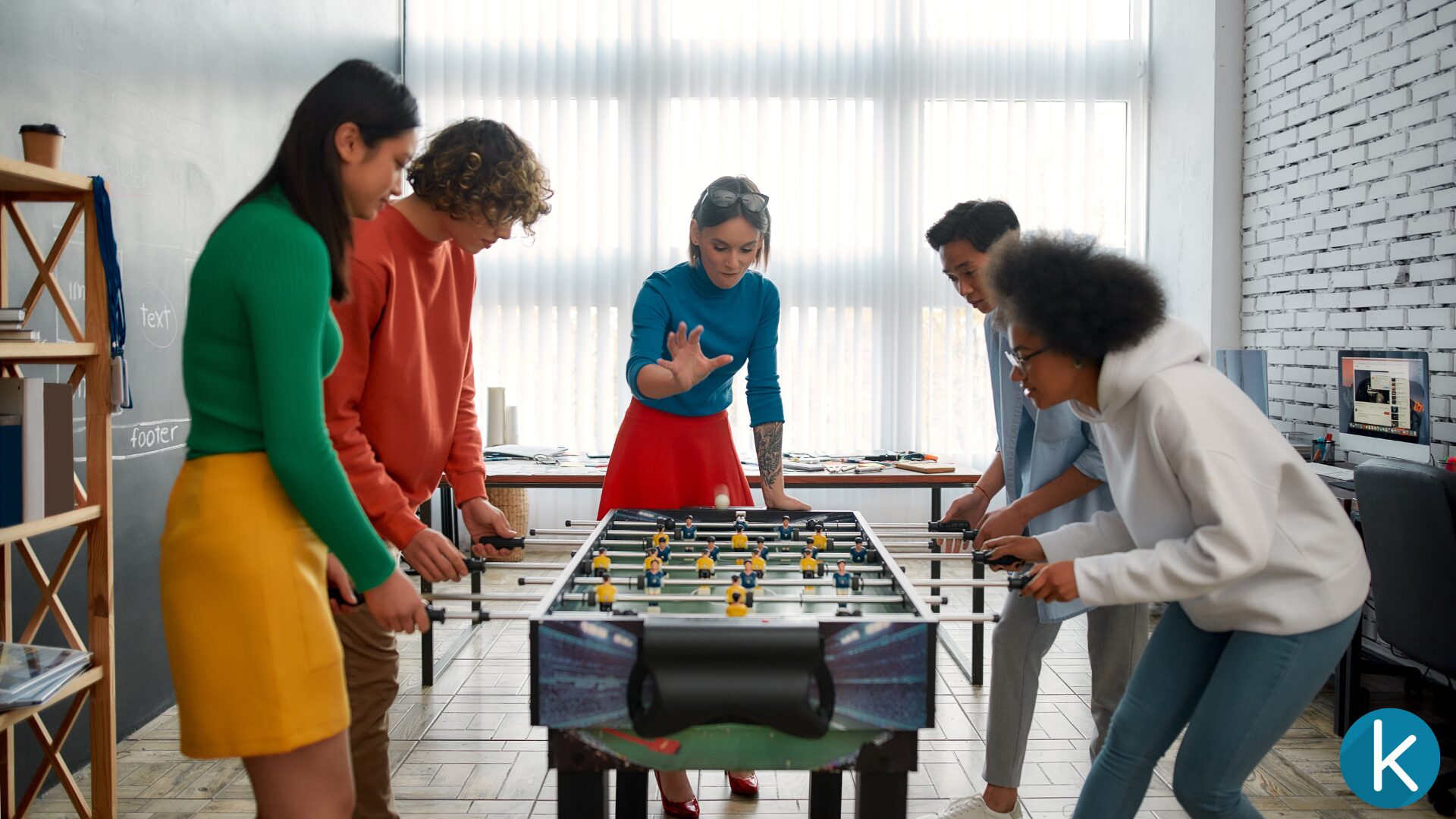
Sometimes the best way to bring people together is to keep things simple and make space for fun. These activities are less about structure and more about shared moments people can enjoy together. If you want fun team engagement activities that feel light, social, and easy to look forward to, this category is a good one to keep in rotation.
49. Holiday Parties
Host a team celebration around a holiday or seasonal moment with food, games, music, or a simple themed gathering. It does not need to be over-the-top to work. Even a casual event can give people a chance to relax, talk, and enjoy time together outside of their usual work routine.
Best for: Team celebrations, seasonal engagement, office or hybrid teams
Time: 1–2 hours
Why it works: It gives people something fun to look forward to and creates shared memories that help the team feel more connected.
50. Costume Contests
Choose a fun theme and invite employees to dress up, either in person or virtually. You can keep it tied to holidays or go with something playful like favorite movie characters, retro styles, or color themes. Add simple voting categories to keep it interactive without making it feel too serious.
Best for: Seasonal events, creative teams, office engagement activities
Time: 30–60 minutes
Why it works: It adds energy and humor to the workday and gives people an easy way to join in and show some personality.
51. Field Days
Plan a team field day with light outdoor games like relay races, tug-of-war, sack races, or simple group challenges. You can keep it competitive or just playful, depending on your team’s style. The goal is to get people moving, laughing, and spending time together in a more relaxed setting.
Best for: Larger teams, outdoor events, high-energy groups
Time: 1–3 hours
Why it works: It breaks people out of their normal routine and creates a fun, active experience that encourages team interaction.
52. Movie Nights
Pick a movie, documentary, or short film and turn it into a team event. This can happen in the office after work, virtually with a shared viewing setup, or as part of a themed team social. You can keep it casual or add snacks and a short discussion afterward.
Best for: Remote teams, casual bonding, low-pressure social events
Time: 1.5–2.5 hours
Why it works: It gives the team an easy shared experience that feels relaxed and inclusive, especially for people who prefer quieter activities.
53. Game Tournaments
Run a tournament around video games, board games, card games, or simple online games, depending on what your team enjoys. You can organize it as a one-time event or spread matches out over a week. Keeping the format flexible makes it easier for more people to participate.
Best for: Friendly competition, team bonding, mixed work setups
Time: 30 minutes to several days
Why it works: It creates excitement, repeat interaction, and a fun reason for coworkers to engage outside of work tasks.
54. Outdoor Adventures
Plan an outdoor activity like a team hike, picnic, nature walk, kayaking trip, or local outing. Choose something that fits your team’s comfort level and keep accessibility in mind. These kinds of team-building activities for work can feel more refreshing because they take people out of the usual office or screen-based environment.
Best for: Team bonding, offsite events, wellness-focused teams
Time: Half-day to full day
Why it works: A change of environment helps people relax, talk more naturally, and connect in a way that feels less structured.
55. Themed Celebration Weeks
Choose a theme for the week and build small activities around it, like dress-up days, mini contests, team lunches, recognition moments, or themed prompts in chat. The theme could be seasonal, culture-based, or just something fun your team will enjoy.
Best for: Team-wide engagement, office culture, extended participation
Time: A few minutes each day over one week
Why it works: It keeps energy going across several days instead of relying on one single event to create engagement.
56. Surprise Appreciation Days
Pick a day to surprise the team with small acts of appreciation like thank-you notes, snacks, fun awards, coffee vouchers, or a shared digital recognition board. The surprise element makes it feel more personal, and it is one of those employee engagement ideas that can have a bigger impact than the effort it takes.
Best for: Morale boosts, recognition, employee appreciation
Time: 15–30 minutes to organize
Why it works: It makes employees feel noticed in an unexpected way, which helps appreciation feel genuine and memorable.
57. Team Bucket List Challenges
Create a shared list of fun things the team wants to do over the year, like trying a new activity, hosting a themed lunch, volunteering together, or completing a team challenge. Then check items off one by one. This gives teams something ongoing to build toward instead of relying only on one-off events.
Best for: Long-term engagement, team culture, ongoing connection
Time: 15–20 minutes to create, then ongoingWhy it works: It gives the team a shared sense of progress and keeps engagement feeling fresh over time.
Tips to Make Team Engagement Activities Actually Work
Coming up with ideas is one thing. Getting people to genuinely enjoy them is something else.
The reason some employee engagement activities work so well while others fall flat usually comes down to how they’re introduced, how often they happen, and whether people feel comfortable taking part. A good activity does not need to be complicated; it just needs to feel thoughtful.
Don’t Force Participation
The fastest way to make an activity feel awkward is to make it feel mandatory. Give people room to join in at their own comfort level, especially with more social or personal activities. Encouragement works better than pressure, and optional participation usually leads to more genuine engagement.
Keep It Inclusive
Not every team member has the same personality, schedule, comfort level, or work setup. Some people love high-energy group games. Others would rather join something quieter or more creative. The best fun team engagement activities give different kinds of people different ways to take part.
Rotate Activity Types
If every activity feels the same, people lose interest fast. Mix things up with recognition moments, quick games, wellness breaks, creative activities, and more structured team-building activities for work. Variety keeps engagement fresh and helps more people find something they enjoy.
Ask For Feedback
You do not have to guess what your team likes. After trying a few activities, ask what people enjoyed, what felt useful, and what they would skip next time. A quick poll or casual check-in can help you build a better mix of employee engagement ideas going forward.
Keep It Consistent
One fun activity is nice. A regular rhythm is what actually shapes culture. That does not mean you need a big event every week. Even simple things like a monthly appreciation moment, a weekly wins thread, or quick office engagement activities during meetings can make a real difference over time.
At the end of the day, the goal is not to check a box. It is to create moments people actually want to be part of and to do that often enough that connection becomes part of how your team works.
How to Measure the Success of Your Team Engagement Efforts
You do not need a big tracking system to see what is working. A few simple signals can tell you whether your team engagement efforts are actually making a difference.
Track Participation
Look at how many people join each activity. If participation stays low, the format, timing, or type of activity may need to change. If people keep coming back, that is a strong sign the activity is working.
Ask For Quick Feedback
Use a short poll, a Slack question, or a quick team check-in to ask what people liked and what they would change. This helps you choose better employee engagement activities going forward.
Watch Morale Over Time
Pay attention to how the team feels after activities. Are people more talkative, more relaxed, or more willing to interact? Small shifts in energy can tell you a lot.
Look For A Stronger Team Connection
Notice whether coworkers are talking more, recognizing each other more often, or collaborating more naturally. Good fun team engagement activities should make everyday teamwork feel easier.
Review Retention And Engagement Trends
You may not tie everything directly to one activity, but over time, better team connection can support stronger morale, lower disengagement, and better retention.
The simplest way to measure success is this: if people are joining in, enjoying it, and connecting more, you are on the right track.
Final Thoughts: Build Connection, Not Just Activities
The best team engagement ideas are not always the biggest ones. What matters most is giving people regular chances to connect, feel appreciated, and enjoy working together.
Keep it simple, keep it consistent, and make recognition part of the routine. Over time, those small moments can have a big impact on team culture.
Make Team Recognition Easy and Meaningful
Celebrate wins, milestones, and everyday moments with group cards, appreciation boards, and team messages that bring every team closer.
Frequently Asked Questions
How often should you plan team engagement activities?
A good rhythm is usually one small activity each week and one bigger activity each month. Weekly touchpoints help keep the connection consistent, while monthly activities give teams something extra to look forward to. The right frequency depends on your team’s workload, size, and energy.
What if employees do not want to participate?
That usually means the activity feels forced, off-timing, or not relevant to the team. Keep participation optional, choose low-pressure formats, and offer different types of activities so people can join in ways that feel comfortable to them.
How do you make team engagement activities inclusive?
Start by choosing activities that do not depend on one’s personality type, physical ability, or work location. Give people different ways to participate, avoid putting anyone on the spot, and make sure remote and hybrid employees can join just as easily as in-office teams.
Should team engagement activities happen during work hours?
Yes, whenever possible. Scheduling them during work hours shows that connection and culture are part of work, not an extra task employees have to squeeze into personal time. It also improves participation and makes the activity feel more accessible.
What is the difference between team engagement and team building?
Team building usually focuses on improving how people work together, while team engagement is broader. It includes morale, recognition, connection, belonging, and everyday culture. The two overlap, but engagement is more about how people feel as part of the team.
About the author: